
Introduction
Organizations across different industries use ISO management systems to improve their processes, manage risks, meet customer expectations, and support continual improvement. However, implementing a management system is only part of the process. Organizations also need to evaluate whether their systems work effectively. ISO audits help identify gaps, verify compliance, and find opportunities for improvement.
ISO Auditor Training provides professionals with the knowledge and practical skills required to conduct systematic audits. Participants learn how to plan an audit, collect objective evidence, evaluate processes, document findings, and prepare clear audit reports. The training can benefit employees responsible for internal audits as well as professionals seeking to develop their careers in quality, environmental management, occupational health and safety, information security, and other areas.
What Is ISO Auditor Training?
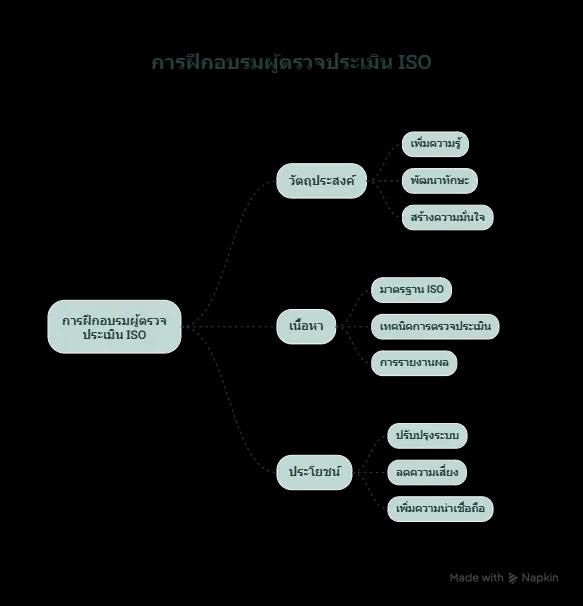
ISO Auditor Training is a professional course designed to teach participants how to assess a management system against the requirements of a relevant ISO standard. The training introduces audit principles, planning methods, evidence collection techniques, interviewing skills, reporting practices, and corrective action follow-up.
Depending on the selected course, participants may learn to audit standards such as ISO 9001, ISO 14001, ISO 45001, ISO/IEC 27001, ISO 22000, or ISO 50001.
A typical training program explains the complete audit process. Participants learn how to define audit objectives and scope, prepare an audit plan, communicate with employees, review documented information, observe activities, and evaluate evidence.
The course also teaches auditors how to identify nonconformities without making assumptions. Findings should be based on objective evidence and clearly linked to the applicable requirements. This approach helps organizations understand their weaknesses and take appropriate corrective action.
Key Skills Developed Through ISO Auditor Training
Effective auditing requires more than knowledge of an ISO standard. Auditors also need strong analytical, communication, and organizational skills. ISO Auditor Training helps participants develop these abilities through structured learning and practical audit exercises.
One important skill is audit planning. Auditors need to understand the organization, determine the audit scope, identify relevant processes, and prepare a suitable schedule. Proper planning allows the audit team to use time efficiently while covering important areas.
Evidence collection is another essential skill. Auditors learn how to use interviews, observations, records, and document reviews to determine whether processes meet requirements. Asking clear and relevant questions helps auditors obtain useful information without unnecessarily disrupting normal operations.
Participants also learn how to evaluate audit evidence. Not every observation represents a nonconformity. Auditors must compare evidence with established requirements and make objective conclusions.
Reporting is equally important. A good audit report should clearly communicate findings, evidence, and conclusions. Training helps participants present information in a professional and understandable manner.
Benefits of ISO Auditor Training for Organizations
Organizations can gain significant value by developing competent internal auditors. Regular internal audits help management understand whether processes are functioning as intended and whether the management system continues to meet applicable requirements.
One major benefit is early identification of problems. Internal auditors can identify gaps before they become serious issues or appear during an external certification audit. This gives organizations an opportunity to investigate root causes and implement corrective actions.
ISO Auditor Training can also encourage continual improvement. Audit findings often highlight inefficient processes, unclear responsibilities, missing controls, or opportunities to improve performance. Management can use these findings to make informed decisions.
Another benefit is stronger employee awareness. Trained auditors understand how different processes connect and can communicate requirements more effectively with employees. This can encourage greater participation in the management system.
Organizations may also reduce their dependence on external support for routine internal audits. By developing employees with appropriate auditing skills, companies can maintain regular evaluation programs using their own resources.
ISO Internal Auditor vs. Lead Auditor Training
Different ISO auditor courses serve different professional goals. Internal Auditor Training generally focuses on conducting audits within an organization. It is suitable for employees who are responsible for checking whether internal processes comply with a particular management system.
Lead Auditor Training generally provides broader and more advanced auditing knowledge. Participants learn how to manage an audit team, plan complete audits, communicate with different stakeholders, evaluate findings, and prepare comprehensive audit reports.
The right training depends on the participant's responsibilities and career objectives. Someone who needs to conduct internal audits may benefit from an internal auditor course, while professionals seeking responsibility for leading audit teams may consider lead auditor training.
Regardless of the level, participants should select training that covers the ISO standard relevant to their work and provides practical opportunities to apply auditing techniques.
Conclusion
ISO Auditor Training helps professionals develop the knowledge and practical abilities needed to evaluate management systems effectively. Through audit planning, evidence collection, process evaluation, communication, and reporting, participants can become more confident and capable auditors.
For organizations, trained auditors can support compliance, identify improvement opportunities, reduce risks, and strengthen management system performance. For professionals, the training can provide valuable skills for careers in quality, safety, environmental management, information security, and other ISO-related fields.
Investing in ISO Auditor Training can therefore benefit both individuals and organizations by creating a stronger approach to auditing and continual improvement.